

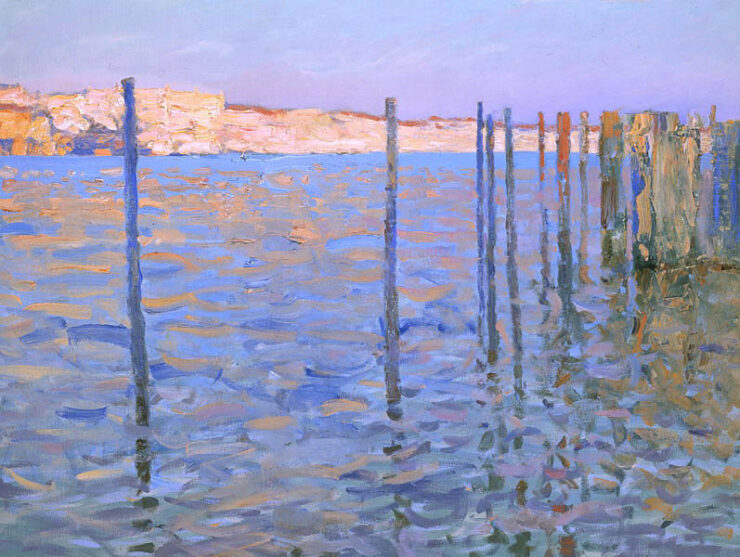

What is the visual element of line in art?
Line in art is one of the fundamental visual elements. Essentially, a line in art is a mark that joins two points. You can also think of it as an elongated dot. Lines can vary in length, width, direction, and shape.
How many lines are there in art?
There are 4 basic lines used in art: vertical, horizontal, diagonal and curved lines. These can also be combined to make zigzag, contour, and cross-hatching lines. Then can all be defined as actual lines or implied lines.
What are lines used for in art?
Lines have an infinite number of uses in the creation of art. They are used to:
– represent a subject’s physical appearance
– add details of features and patterns
– imply surfaces and texture
– imply value, light and shade
– control the viewer’s eye
– imply an object’s movement
– build emotion
Types of lines used in art
Horizontal lines
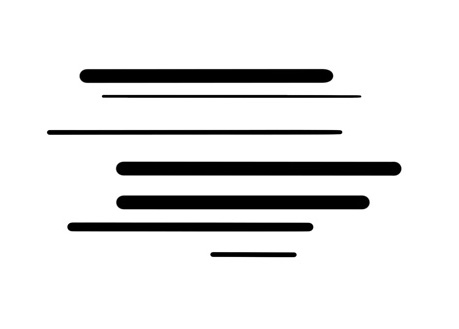
Horizontal lines are drawn directly across an east/west axis, as if you are looking at a flat horizon. They are the shortest path between two points from left to right. Horizontal lines are used to define the base of a building or fence, a roofline, a shelf, and various other objects that have a hard left/right orientation such as tables and chairs.
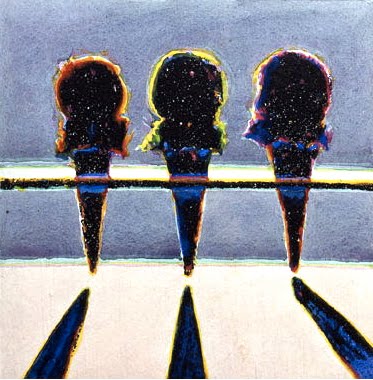
In this painting by Wayne Thiebault, you can see he painted a horizontal line across the canvas to represent the shelf holding the cones.
Vertical Lines
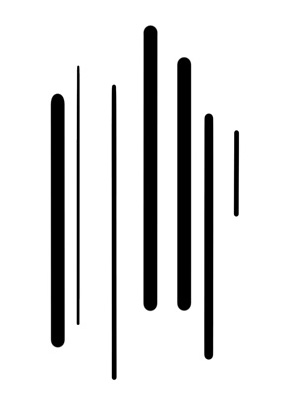
Vertical lines in art are drawn straight up and down, without any diagonal slope. Like horizontal lines, they are the shortest path between two points but from top to bottom instead of left to right. They can be defined as standing, pointing, or moving straight up or down, perpendicular to something horizontal. Vertical lines in art can be used to define trees, fence posts, street lights, and edge walls of a building. They are used in combination with horizontal lines to create two-dimensional rectangular shapes, such as windows and doorways.
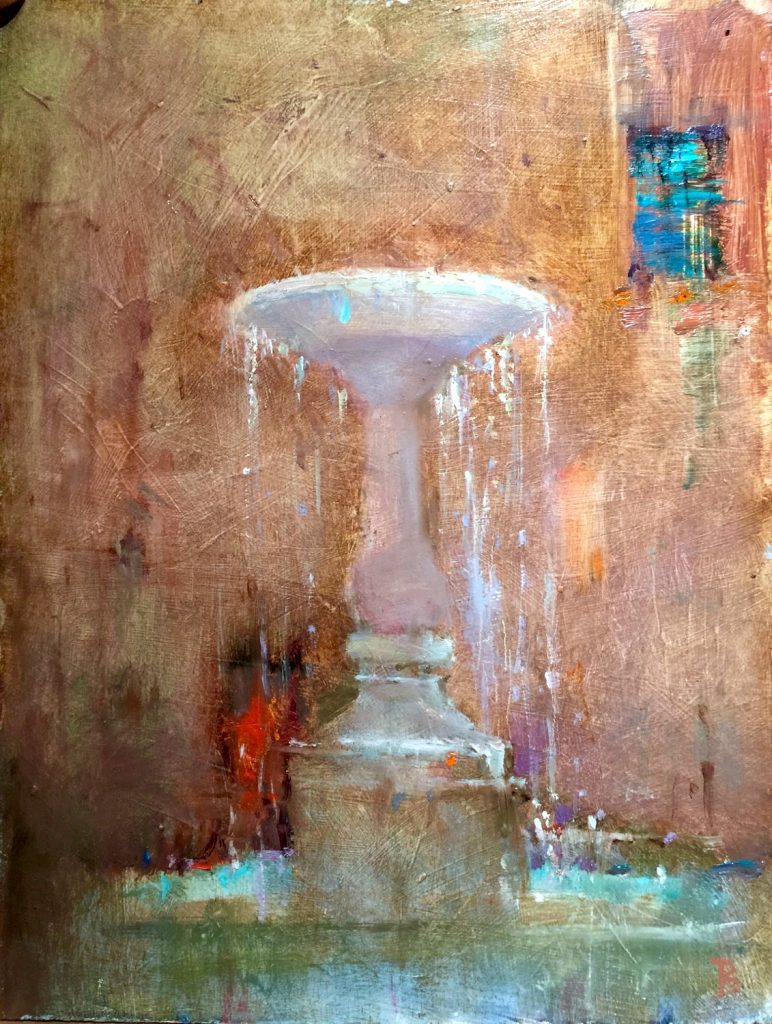
In my painting Roman Fountain, I painted white lines to represent the water dripping off the fountain.
Diagonal lines
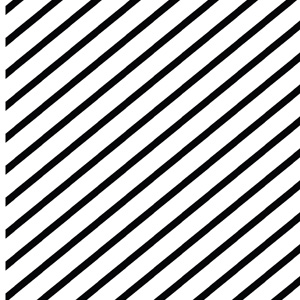
Diagonal lines in art can be defined as vertical or horizontal lines that slope up or down. They are used to define rectangles with seen in three-dimensional perspective, such as the side of a building as it recedes towards the horizon.
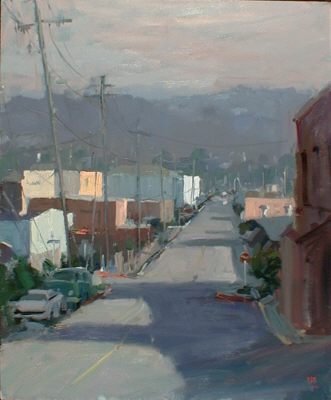
Another of my paintings shows the use of diagonal lines to represent the old electricity poles that have declined over the years.
Zigzag lines
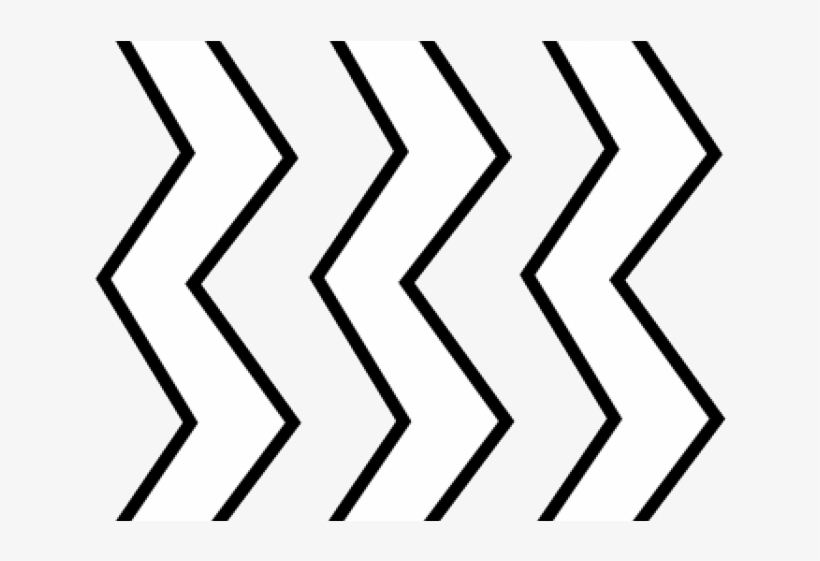
Zigzag lines are combination of diagonal lines. Since they are not seen in nature very often, they are used more in abstract art.
Curved lines
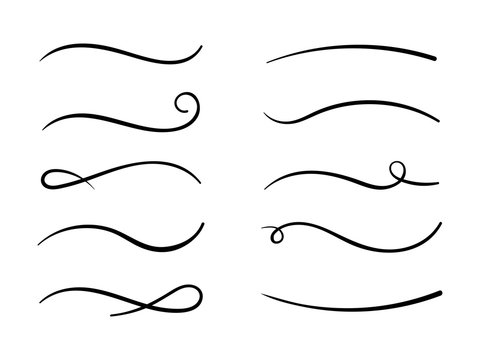
A curved line is a mark similar to a vertical or horizontal line, but it is not straight. It is not the shortest path between two points. Interest in curves began long before they were the subject of mathematical study. You can see how they were used in decorative art and on everyday objects dating back to prehistoric times. Curves, are simple to create, for example with a stick on the sand on a beach.
Actual lines
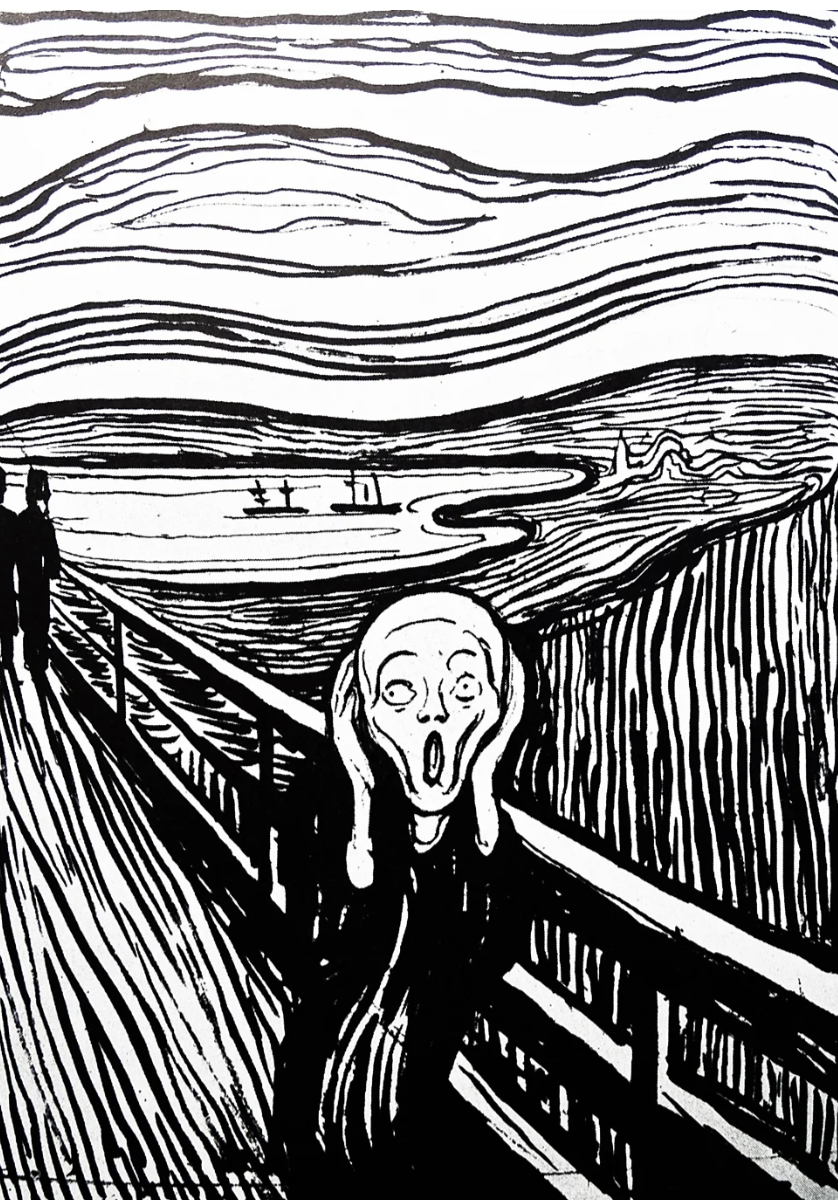
Actual lines are real marks made in a composition. They are completely visible to the eye for directly influencing the interpretation of the composition. For example, lithographs and engravings use are real marks used to make a composition. This lithograph print of The Scream (Edvard Munch, 1895) is entirely made using actual lines. Contour lines show the figure and its expression as well as outlining the bridge, the land, water and sky. There is no tone or shading so actual lines are also used to show the texture of the wooden bridge and to suggest clouds, hills and waves.
Implied lines
Implied lines are suggested by changes in color, value and texture or by the edges of shapes. In art, an implied line is defined as a line that suggests the edge of an object or a plane within an object. The line may be broken by intermittent marks, or it may not be visible at all.
With any implied line, our brain interprets that the line must exist. These lines are not drawn, but you can connect the dots to create the lines in your viewer’s minds.
What are the properties of line in art?
Lines can have many properties, including:
- Length – long or short
- Width – thick or thin
- Texture – rough or smooth
- Direction – movement in any direction
How are lines used in art?
Hatching/ Cross Hatching
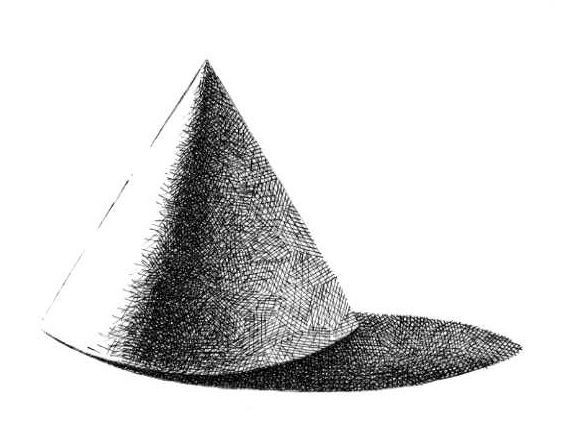
When we use a line for value or shading, we typically see it in the form of hatching or cross-hatching. These are the most commonly used lines for adding value or shading to the painting.
The shadow is caused when light hits one side of an object, leaving the other in shadow. On the cap, for instance, the firmly spaced lines called hatching, show that the left half of his cap is in a shadow. This additionally encourages the cap to look more three-dimensional, giving it a feeling of an object.
Contour lines
Contour lines are the most common type of lines that outlines all the shapes in the image where an object ends. Contour lines are also known as outlines. Besides, these lines create the illusion of form in art. Line quality highly depends on the thickness or thinness of a line. Being an artist, you can show form in your drawing with just the use of lines.
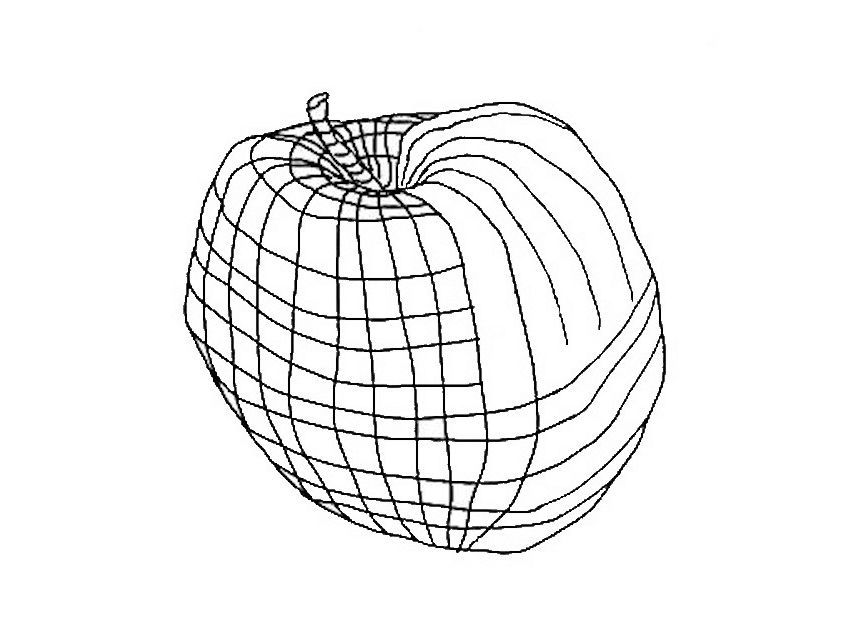
Cross Contour lines
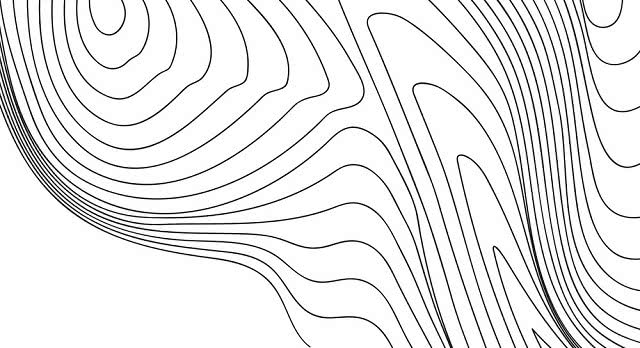
You can also indicate shadow and form by using cross contour lines. Cross contour lines follow the outlines of the object and create an illusion of shading and form.
Organic and inorganic (geometric) lines
Lines are further divided into organic and inorganic lines.
Organic lines include loose, curving lines found in nature. An example of organic lines is: the lines of the horses’ manes and tails, the figures’ hair, and the ruffled clouds in the Dürer print, are all organic.
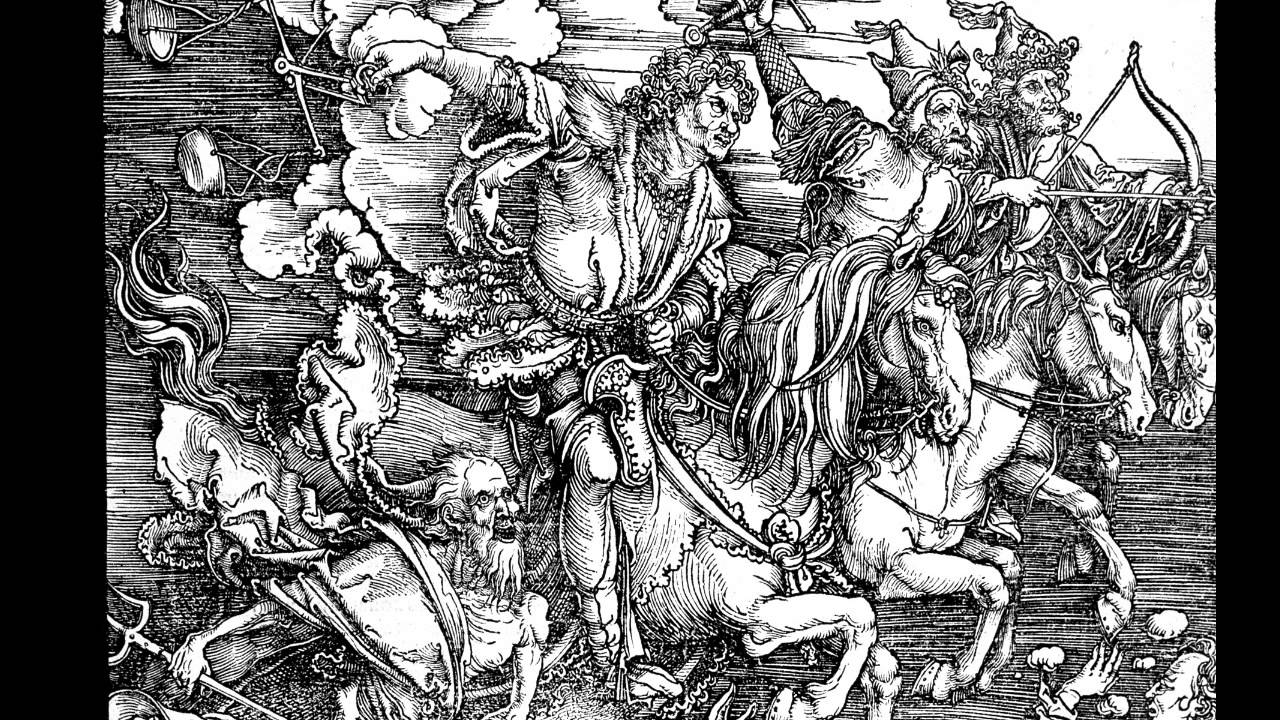
Inorganic lines are generally straight lines found in geometry. In this image, the lines are mostly organic, but the lines (horizontal) in the background are inorganic.
Implied lines
You can also look for implied lines as they are interesting. These lines are not drawn, but you can connect the dots to create the lines in your viewer’s minds.
The best example of implied lines is Leonardo da Vinci’s Virgin of the Rocks.
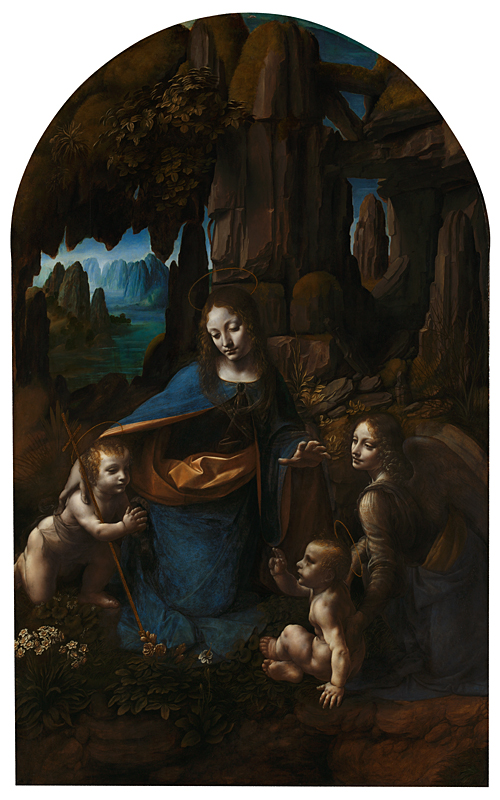
The Virgin of the Rocks
Here, the noticeable thing is that the implied lines are sightlines, which guide your viewer throughout the image. These lines guide the viewer where to look and show them what is important in the painting. Everyone is looking at the baby Jesus.
Brilliant as usual.
Thank you for the information. Very well explained and the examples are clear.