


Are you spending less time doing versus reading or watching and your paintings are just not getting any better? Are you really keen to learn how to paint well, but are just continually getting frustrated with your progress?
Ask yourself these three important questions as you learn to paint using your usual method, and you may discover why:
Question #1: Does your learning process look like this?
Now that you have decided to learn how to paint, how are you going about the process? Are you:
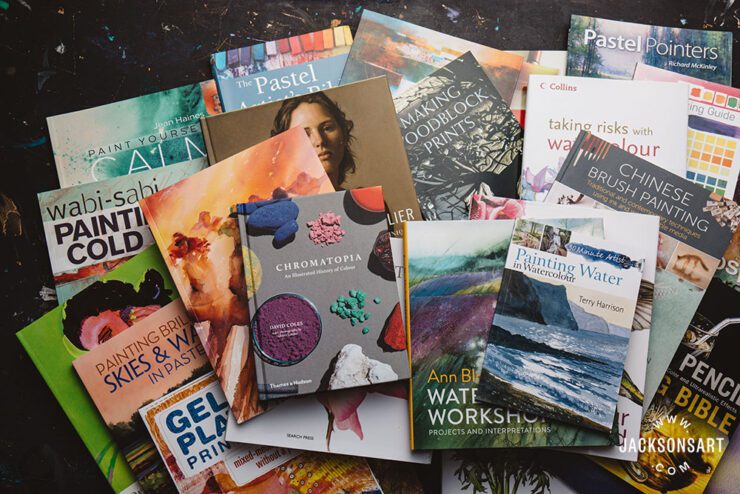
- buying and building a large collection of book on different ways to paint?
- watching dozens of DVD’s or online videos of painting demonstrations?
- browsing one article after another on painting in how-to magazine articles?
- spending hours watching lots of YouTube videos?
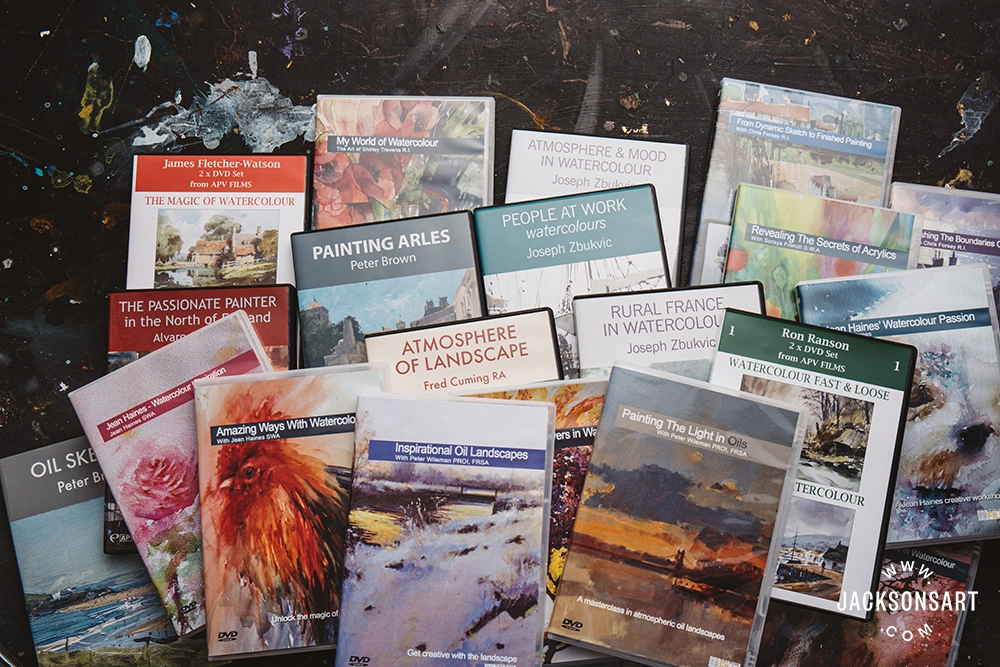
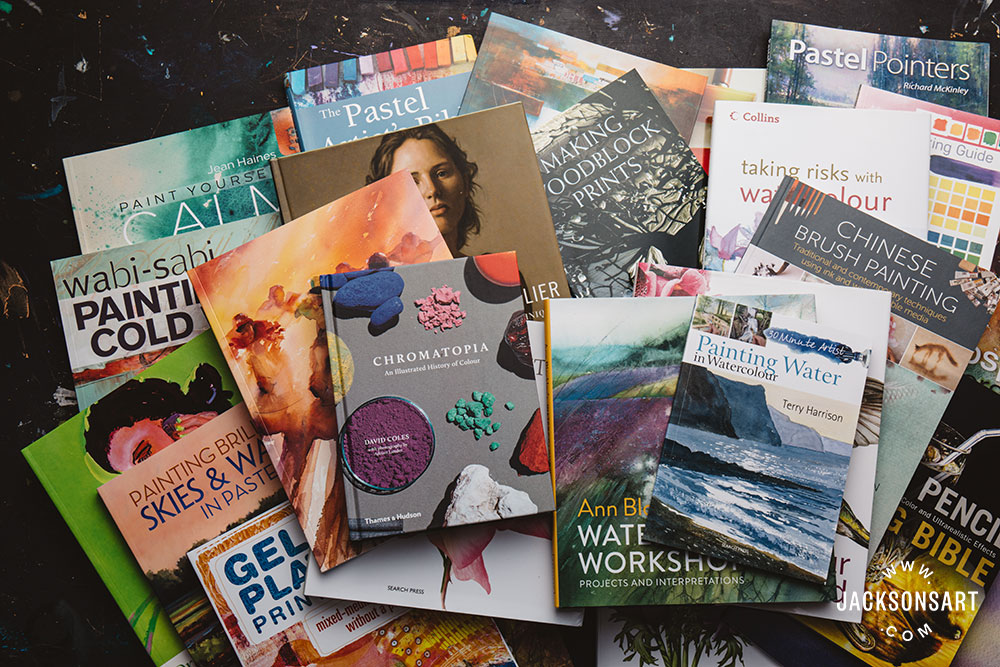
If you answered Yes to these questions, you are going about it all in the wrong way. It’s all about doing versus reading! Reading and watching is okay, but is not a very organized way to learn how to paint. Imagine flying in a plane in which the pilot was trained in such a way, without any structure. Would you want to fly on that plane? You would want a trained pilot who had gone through a highly structured training program to ensure he or she was fully competent, and had all the skills needed to get you safely to your destination.
To get good at something, there are fundamental skills you need to learn, and painting is no different. If your learning process is haphazard, you are highly likely to miss a lot of those really important fundamental things.
Question #2: Knowing is not the same as doing
Many people who want to learn how to paint read a lot about the subject, watch videos, or observe experienced artists creating their work. But is this where the real learning takes place?
A lot of research into learning theory shows that you only learn through doing versus reading or watching. Learning is experiential, in which you acquire new insights into some process process by trial and error. Making mistakes and struggling is the key to learning. This is the only way you can make the necessary mental shifts needed to put your knowledge into actual practice.
Without this experiential learning, when you come to paint, your painting fails. So ask yourself, are you actively working on a set of specific exercises and assignments that have been specifically designed to give you these learning experiences, or do you learn how to paint by just passively consuming educational resources?
“A man learns to skate by staggering around making a fool of himself: indeed he progresses in all things by making a fool of himself.” George Bernard Shaw
You learn only by doing and not by reading. You may feel you understand something after reading it, but you will only understand it at a superficial level. Once you have experienced it for yourself, however, you will understand it at a much deeper level. That is why it is important to actually do the assignments, and not just read the lecture notes! I have had many students say they already know all the information in a particular course unit and do not need to do the assignments. On looking at their paintings, however, it is clear that they are not practicing what they think they know, or have not internalized the knowledge fully. I have had many professional artists, after a long period of frustration, finally get around to doing the assignments. After a month or two, they always say they learned something new and valuable, and it showed in their work in the following months.
Question #3: Do you have a goal?
Do have you a plan for how to improve your painting skills? Is your plan written down? Are you making steady progress against this plan? If the answer to these questions is no, then this may be your biggest problem. It is well known that you need a goal in order to make progress. When you have a plan as you learn how to paint, and systematically execute it, you feel good about yourself and begin to make real progress.
Summary
Learning how to paint is an exciting and rewarding journey that allows you to express your creativity, and brings pleasure to your viewers. Whether you’re interested in traditional painting (using oil paints) or more contemporary styles (using digital painting), there are many fundamental skills you need to learn in order to achieve your personal goals. And it will not help to just read about them or watch someone else doing them. You have to pick up your paintbrush and practice them yourself.
Learning to paint is not easy, so do not make it even harder than it is. You can learn how to paint — I have many students who started off as absolute beginners and are now getting into art exhibitions, being accepted into art associations, and even selling their work in professional galleries. You can do it. But get organized first and get some structure in your learning!
I hope my tips to help you choose a good educational program have been helpful, and make you want to get more organized and active as you learn how to paint.
Happy painting!
Barry
Add comment